
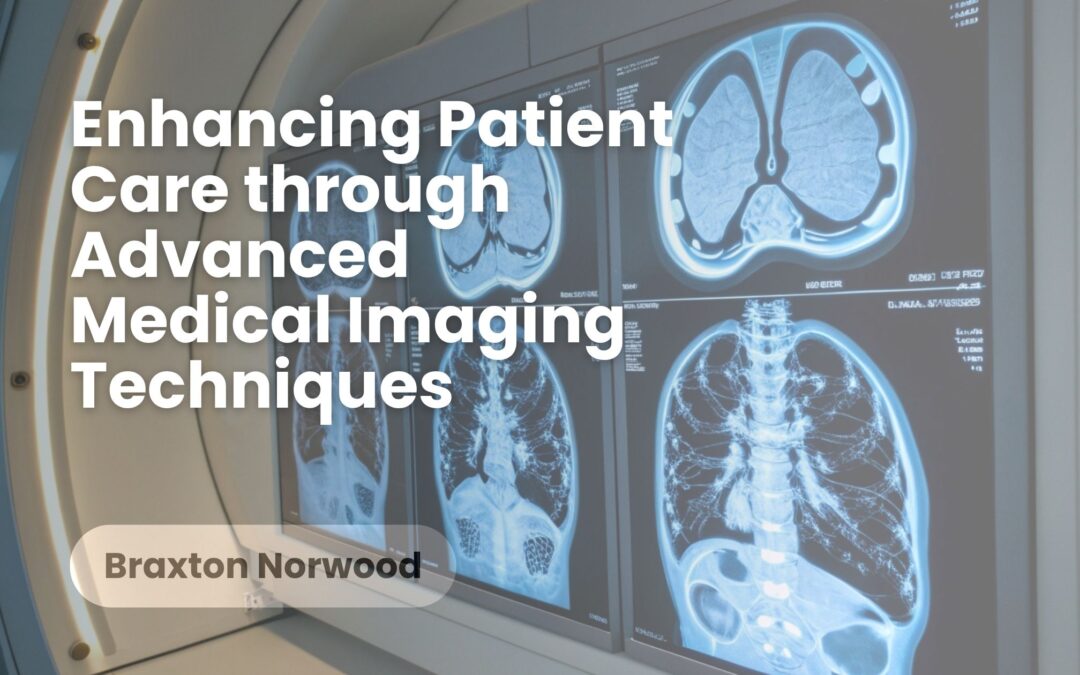
Advanced medical imaging techniques have revolutionized patient care by improving the accuracy of diagnoses, enabling early detection of diseases, and guiding effective treatment plans. These innovations are transforming the healthcare landscape, making it possible for medical professionals to offer more precise and personalized care. From MRI to CT scans and ultrasound, the capabilities of imaging technologies are expanding rapidly—leading to better outcomes for patients.
One of the most significant impacts of advanced imaging is the ability to deliver early and accurate diagnoses. Traditional methods often relied on symptoms or physical exams, which could delay treatment. Now, imaging tools allow clinicians to visualize internal structures with unprecedented clarity. For instance, MRI can detect neurological or musculoskeletal issues early, helping patients receive prompt, targeted care. Early diagnosis reduces not just the medical burden but also the emotional and financial toll on patients.
A particularly exciting development in this space is the advent of molecular imaging tools that can visualize conditions like chronic pain at the source. Lutroo Imaging, for example, is pioneering a first-in-class PET radiotracer called Radiocaine™, designed to localize and quantify pain by targeting overactive sodium channels. This innovation may transform how clinicians assess and treat pain—shifting diagnosis from guesswork to precision.
In addition to diagnosis, imaging plays a central role in guiding treatment decisions. For cancer patients, PET scans are used to track tumor spread and monitor response to therapies. Similarly, Radiocaine may enable personalized pain treatment by pinpointing which nerves or regions are generating pain, thereby improving surgical planning or targeting neuromodulation more effectively. This targeted approach helps reduce harm to healthy tissue and improve outcomes.
Minimally invasive procedures are another area where imaging makes a dramatic difference. Interventional radiology and real-time, image-guided biopsies allow for precise interventions with fewer complications. This means faster recovery times, less discomfort, and lower costs—direct benefits to both patients and healthcare systems.
Medical imaging is also critical for monitoring chronic conditions. Cardiovascular patients, for instance, can undergo regular imaging to detect plaque buildup before it leads to a heart attack. Patients with degenerative diseases like arthritis or multiple sclerosis benefit from ongoing imaging to track progression and adjust care plans accordingly.
Adding to these capabilities is the rise of AI-powered imaging. AI can analyze scans faster than a human and highlight subtle abnormalities that might be missed—such as tiny tumors or early neurological changes. These tools augment radiologists’ expertise and help reduce diagnostic errors, ensuring patients get faster, more accurate results.
Importantly, these innovations are reaching beyond major hospitals. Portable imaging devices, like handheld ultrasounds, are bringing diagnostic capabilities to remote and underserved areas—ensuring more equitable access to care. As tools like Radiocaine become more widely available, they may offer advanced diagnostics even outside academic centers.
In conclusion, advanced medical imaging is dramatically improving how we diagnose, monitor, and treat disease. Tools like Radiocaine and platforms developed by companies like Lutroo Imaging are pushing the boundaries of what’s possible—especially in fields like pain medicine where traditional methods fall short. With the integration of AI and increased accessibility of devices, the future of imaging is not just advanced—it’s equitable, personalized, and truly transformative for patient care.